
In-Clinic and TeleTherapy Options
Pediatric Speech
Therapy in Thibodaux
In-Clinic and TeleTherapy Options
Pediatric Speech Therapy in Thibodaux
Do you have a child who is struggling with speech?
Speech Therapy can be difficult and frustrating. That’s why we offer multiple disciplines, with a primary focus on assisting with the proper development of your child. We rely on evidence-based and research interventions and innovative tools to ensure the best skills for your child.
Articulation
Fluency Assessment
Preschool Language Therapy
Autism Spectrum Interventions
Reading-Language Therapy
Written Language Difficulties
Learning Disabled
Dyslexia
Auditory Processing
Neuromuscular Disorders
Social-Language
Phonemic Awareness
Apraxia

When should I refer my child to Speech Therapy?
Age: 2-3 years
Using two to three words phrases
Using one to two word questions
Verbalizing toilet needs
Requesting items by name
Following two-part commands
Age: 4-5 years
Counting to ten
Listening to simple stories and answering questions
Using sentences of four to five words
Describing experiences at school and home
Vocabulary of fewer than 900 words
Age: 5+ years
Knowing common opposites
Grammatically correct speech that is
completely intelligible
Following three commands given without interruptions
Knowing his/her age
Identifying common objects in terms of use
Do you have a child who is struggling with speech?
Speech Therapy can be difficult and frustrating. That’s why we offer multiple disciplines, with a primary focus on assisting with the proper development of your child. We rely on evidence-based and research interventions and innovative tools to ensure the best skills for your child.
Articulation
Fluency Assessment
Preschool Language Therapy
Autism Spectrum Interventions
Reading-Language Therapy
Written Language Difficulties
Learning Disabled
Dyslexia
Auditory Processing
Neuromuscular Disorders
Social-Language
Phonemic Awareness
Apraxia
When should I refer my child to Speech Therapy?
Age: 2-3 years
Using two to three words phrases
Using one to two word questions
Verbalizing toilet needs
Requesting items by name
Following two-part commands
Age: 4-5 years
Counting to ten
Listening to simple stories and answering questions
Using sentences of four to five words
Describing experiences at school and home
Vocabulary of fewer than 900 words
Age: 5+ years
Knowing common opposites
Grammatically correct speech that is
completely intelligible
Following three commands given without interruptions
Knowing his/her age
Identifying common objects in terms of use
Speech Therapy at Sensory Solutions
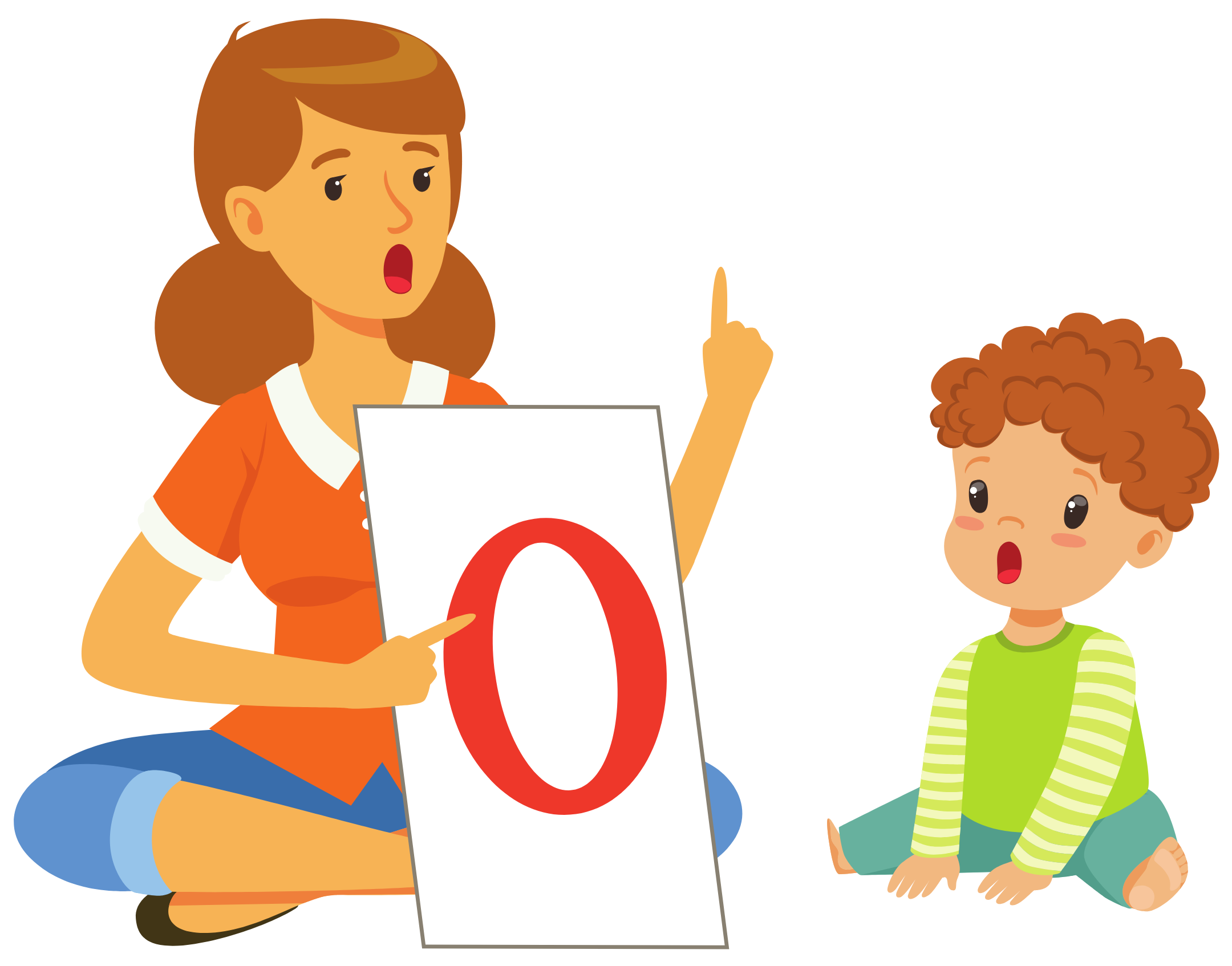
At Sensory Solutions, our speech therapy treatment focuses on making communication easier. The speech therapist starts with building a foundation of skills needed for the development of speaking, reading and writing. It may be that non-verbal communication is the goal or reading development. Speech therapy is able to assist a child to experience successful communication while at play or school.
Speech Therapy at Sensory Solutions
At Sensory Solutions, our speech therapy treatment focuses on making communication easier. The speech therapist starts with building a foundation of skills needed for the development of speaking, reading and writing. It may be that non-verbal communication is the goal or reading development. Speech therapy is able to assist a child to experience successful communication while at play or school.
Speech Therapy FAQ's
How do I know if my child needs speech therapy?
By age 2, most children understand greater than 300 words. If your child has trouble understanding basic sentences, such as “grab your coat,” it may be time to see a speech therapist.
Can too much TV cause speech delay?
Researchers have found that the more screen time a child’s parent reported, the more likely the child was to have a delay in expressive speech. For each 30-minute increase in handheld screen time, researchers found a 49% increased risk of expressive speech delay.
Can a child with speech delays catch up?
They may receive a language disorder diagnosis. Still, between 70–80% of Late Talkers seem to catch up to their peers by entering school. Sometimes these children are called “late bloomers” because they eventually seem to catch up to other children their age.
Is Delayed speech a sign of autism?
Parents of children with autism often report delayed speech as their first concern. Still, a speech delay is not specific to autism. Delayed speech is also present in young children with a global developmental delay caused by intellectual disability and severe to profound hearing loss.
Office in THIBODAUX, LOUISIANA
Connect with Sensory Solutions Today


COPYRIGHT ©2026 | SENSORY SOLUTIONS THERAPY | ALL RIGHTS RESERVED
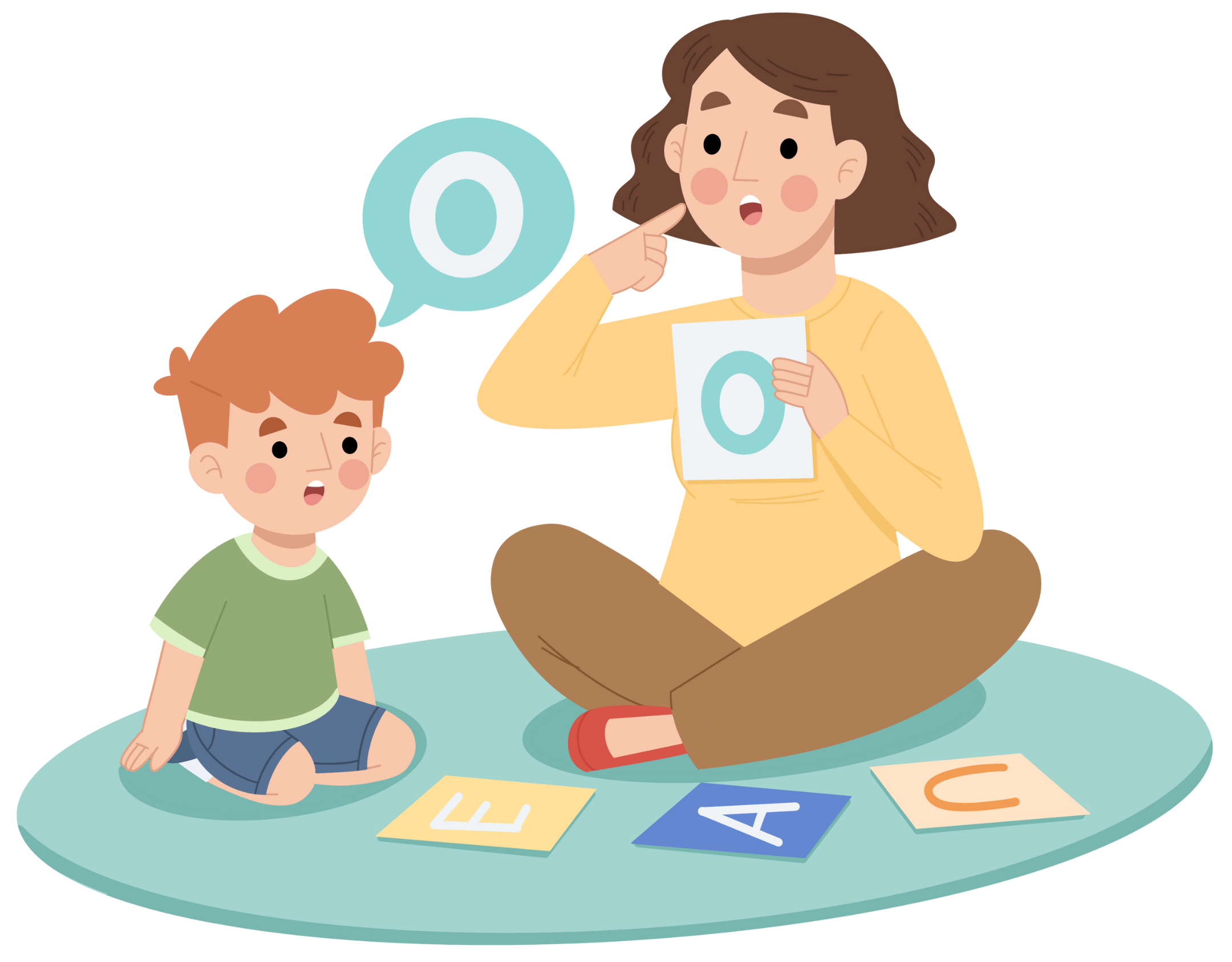
Speech Therapy FAQ's
How do I know if my child needs speech therapy?
By age 2, most children understand greater than 300 words. If your child has trouble understanding basic sentences, such as “grab your coat,” it may be time to see a speech therapist.
Can too much TV cause speech delay?
Researchers have found that the more screen time a child’s parent reported, the more likely the child was to have a delay in expressive speech. For each 30-minute increase in handheld screen time, researchers found a 49% increased risk of expressive speech delay.
Can a child with speech delays catch up?
They may receive a language disorder diagnosis. Still, between 70–80% of Late Talkers seem to catch up to their peers by entering school. Sometimes these children are called “late bloomers” because they eventually seem to catch up to other children their age.
Is Delayed speech a sign of autism?
Parents of children with autism often report delayed speech as their first concern. Still, a speech delay is not specific to autism. Delayed speech is also present in young children with a global developmental delay caused by intellectual disability and severe to profound hearing loss.